
Blog
Five Vitamins to Improve Your Oral Health
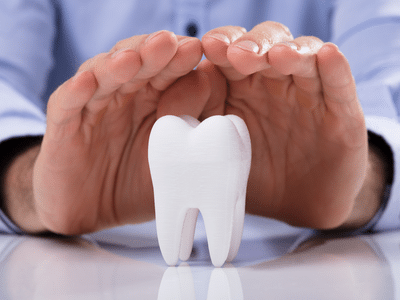
5 Daily Vitamins for Your Teeth:
- Vitamin A
- Vitamin C
- Calcium
- Vitamin D
- Vitamin K
Visiting the Dentist

In This Post, We’ll Cover:
- What Happens at a Dental Check-up?
- What Happens During a Dental Cleaning?
- Why are Dental Cleanings so Important?
- Why are Regular Check-ups so Important?
Invisalign While You Travel
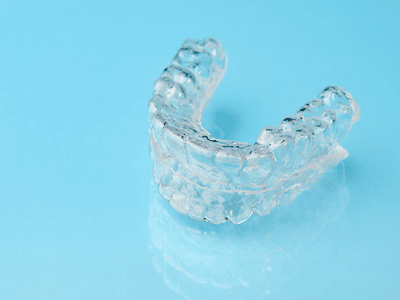
What if I Lose my Invisalign while Traveling?
When traveling for longer periods of time, always take your previous set of aligners, your current set, and your next set of aligners with you. Whether you will go back to the previous set or move forward to the next set if your aligners get lost will be determined by how long you have been wearing your current set. The general rule of thumb is if the current aligners are tight, go back. If you can remove them easily and are in your second week, move forward to the next set.
If you are going to be out of town for more than two weeks, we can order replacement aligners and ship them to you. Continue wearing your previous set until they arrive and start again with the new set.
When you’re traveling by plane, be careful to keep aligners with you I your carry-on. Leaving them in checked bags is a good way for them to be lost or delayed. If you’re concerned about losing your aligners, bringing an extra case is always a good idea. If you leave one behind in a hotel or restaurant, you’ll have a spare.
What to Expect with New Braces

In This Post, We’ll Cover
- How Long Do Braces Hurt?
- Eating with Braces
- What to Expect When Getting Braces
Your Invisalign Journey

In This Post, We’ll Cover
- What is an Invisalign Aligner?
- Invisalign Treatment Breakdown
- What Can Invisalign Fix?
- Can Kids get Invisalign?